How to Use a Clicker to Train a Dog: Technique Guide

Affiliate disclosure: Some links on this page are affiliate links. If you buy through them we earn a small commission at no extra cost to you. This never influences which products we recommend — we only suggest things we'd buy ourselves. Product prices and availability are accurate as of the date published and are subject to change. Always check Amazon for current pricing before purchasing. Learn more.
Quick Picks
Dog Training Clicker with Sring Wrist and Keyring - Pet Dog Training Clickers for Puppy, Cat, Potty, Bird, Horse, Pet,
Includes wrist strap and keyring for convenient portability and attachment
Buy on AmazonOYEFLY Dog Training Clicker with Wrist Strap Durable Lightweight Easy to Use, Pet Training Clicker for Cats Puppy Birds
Wrist strap design enables hands-free carrying during training sessions
Buy on AmazonDiyife Dog Clicker for Training, 2 Pack Dog Training Clicker, Clicker Dog Training with Wrist Strap, Pet Training
Two-pack offers value for multiple dogs or backup clicker
Buy on Amazon| Product | Price Range | Top Strength | Key Weakness | Buy |
|---|---|---|---|---|
| Dog Training Clicker with Sring Wrist and Keyring - Pet Dog Training Clickers for Puppy, Cat, Potty, Bird, Horse, Pet, also consider | $$ | Includes wrist strap and keyring for convenient portability and attachment | Manual clicker mechanism requires consistent technique for effective training | Buy on Amazon |
| OYEFLY Dog Training Clicker with Wrist Strap Durable Lightweight Easy to Use, Pet Training Clicker for Cats Puppy Birds also consider | $$ | Wrist strap design enables hands-free carrying during training sessions | Budget clicker category typically lacks advanced features or durability | Buy on Amazon |
| Diyife Dog Clicker for Training, 2 Pack Dog Training Clicker, Clicker Dog Training with Wrist Strap, Pet Training also consider | $$ | Two-pack offers value for multiple dogs or backup clicker | Basic clicker mechanism may lack ergonomic refinements | Buy on Amazon |
Clicker training is one of the cleaner tools in the conditioning toolkit: a distinct, consistent sound that marks the exact moment a dog does the right thing. The timing problem that kills most handler progress, the gap between behavior and reward, gets closed. That’s the mechanical argument for it.
Getting the method right matters more than which clicker you’re holding. But the tool still needs to work reliably in your hand, stay accessible during a session, and not fail at the wrist strap after six weeks. What follows covers technique, timing principles, and three mid-range options worth considering.
If you’re building out your training kit more broadly, the Training Equipment hub is a reasonable place to map what you already have against what you’re missing.
How Clicker Training Actually Works
Clicker training is operant conditioning with a precision marker. The click functions as a bridge signal: it communicates to the dog that whatever they were doing at the moment the click sounded is the behavior that earned reinforcement. The food, toy, or praise that follows confirms the click’s promise. Over time, the click itself takes on conditioned reinforcer status, which is why timing matters more than volume or duration of the click.
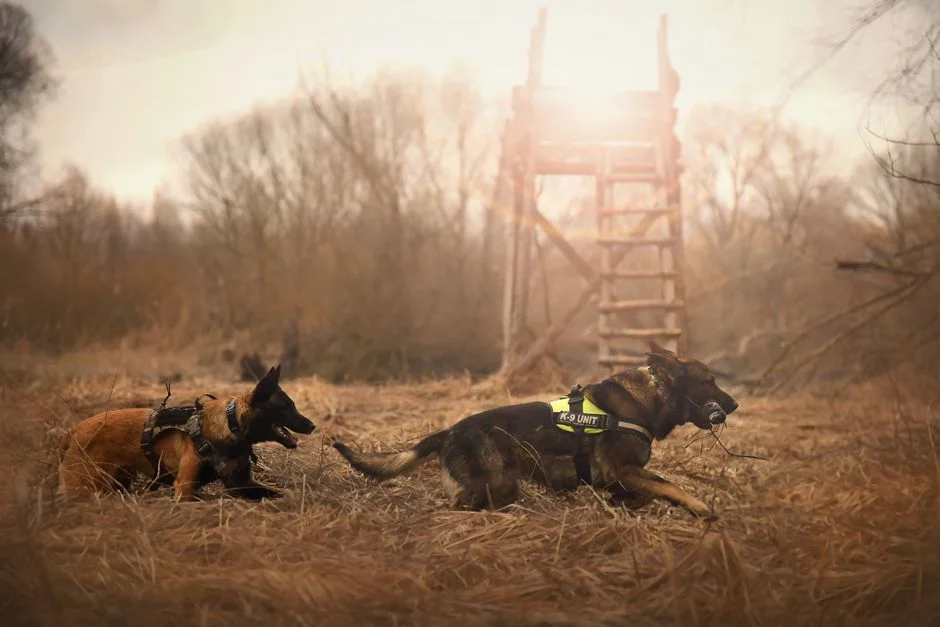
The foundational principle, called charging the clicker, involves clicking and immediately delivering a reward without asking for any behavior at all. You’re not marking anything yet. You’re teaching the dog that the click sound predicts something good. Most dogs make this association in one to three short sessions. Smaller, higher-drive animals tend to lock in faster. A young Malinois in drive, for example, will often show clear anticipatory behavior toward the reward within the first handful of repetitions.
The Timing Window
Behavioral research generally puts the effective marking window at about half a second. Beyond one second, the dog struggles to connect the click to the behavior. This is why a food treat held out first and clicked second, a common beginner error, erodes the method. The click fires, then the reward comes, not the other way around.
In practical terms, this means you need the clicker in your hand before you start working, not clipped to a pocket you have to dig into. Wrist strap designs address this directly. The clicker needs to be indexed and ready before the behavior happens, because the behavior you want will often occur faster than you expect.
Building Behavior Before Adding a Cue
One of the more common mistakes is attaching the verbal cue too early. If you say “sit” while the dog is still figuring out that moving their rear end toward the ground is what produces the click, you poison the cue. You’re pairing the word with a behavior that isn’t solid yet.
The cleaner sequence: shape or lure the behavior until the dog is offering it deliberately and consistently, click and reward each correct repetition, then layer the verbal cue over the behavior only after the dog is offering it reliably. The cue should predict the behavior, not attempt to produce it through repetition at a stage where the behavior isn’t yet formed.
Fading the Clicker
The clicker is a teaching tool, not a permanent management signal. Once a behavior is on cue, fluent, and reliable across environments, the clicker can be faded. You shift to intermittent reinforcement, then to behavior chains where the click marks the end of a sequence rather than every component. Handlers who keep the clicker in play indefinitely often find they’ve built reinforcement dependency rather than a trained behavior.
This doesn’t mean the clicker disappears from your kit entirely. It stays useful for introducing new behaviors, for cleaning up behaviors that have drifted, and for precision work where a verbal marker would be ambiguous. I use the Tone function on the PRO 550 as a remote marker during tracking work with Hektor, which functions on the same principle: a conditioned, neutral sound tied to a specific behavioral moment.
Top Picks
Dog Training Clicker with String Wrist and Keyring
The Dog Training Clicker with String Wrist and Keyring is a mid-range entry-level option with two attachment points: a string wrist loop and a keyring clip. The dual attachment setup is a practical detail. During a training session, the wrist loop keeps the clicker on your hand. Between sessions, the keyring clips it to a bag, vest, or belt loop so it doesn’t disappear into a gear pile.
Verified buyers across categories note the click tone is consistent and audible without being sharp enough to startle noise-sensitive dogs. That’s a real variable worth noting, particularly in early conditioning work where a sudden harsh click can create a negative association with the session rather than the behavior. Owner reports suggest the mechanism holds up through normal use, though the manual spring mechanism on any clicker in this category will eventually soften with heavy use.
The wrist strap design on this one is string rather than neoprene or fabric, which keeps it light but may wear faster under heavy daily use in wet conditions. For handlers running multiple training sessions per day, that’s worth factoring. For one or two sessions daily in average conditions, owner reviews don’t flag any durability failures at that frequency.
Check current price on Amazon.
OYEFLY Dog Training Clicker with Wrist Strap
The OYEFLY Dog Training Clicker with Wrist Strap is built around the same core mechanism as most manual clickers in the mid-range category, but the wrist strap design here gets consistent positive mention in verified buyer notes specifically around fatigue reduction during extended sessions.
The lightweight construction is the functional selling point. If you’re running twenty to thirty repetitions per behavior across multiple behaviors in a single session, clicker weight and grip ergonomics start to matter more than they seem to upfront. Owner reports indicate the click tone is firm and distinct without requiring excessive thumb pressure, which is a relevant detail for handlers with any hand or thumb joint sensitivity.
Field reports from buyers working with puppies and young dogs specifically note it holds up through early high-frequency use without the mechanism softening quickly. Budget clicker mechanisms across all brands will degrade eventually with very high repetition counts, but the OYEFLY appears to be performing adequately at typical training volumes based on what verified buyers report.
Check current price on Amazon.
Diyife Dog Clicker for Training, 2 Pack
The Diyife Dog Clicker for Training, 2 Pack makes its value argument straightforwardly: two clickers in the package, each with a wrist strap, at a price point that doesn’t require you to think hard about the purchase.
The practical case for a two-pack isn’t just backup redundancy. Handlers working two dogs simultaneously, or working a dog in two different locations (a home clicker and a training field clicker), will go through the package without either unit sitting unused. Verified buyers working multiple dogs note this specifically. The second unit also absorbs the mechanical wear that would accelerate on a single clicker running at high session volume.
Build quality notes from owner reviews are consistent with the price band: the mechanisms function correctly out of the box, the wrist straps are secure, and the click tone is distinct. Reports don’t flag early mechanism failure, though extended heavy-use data is limited given the brand’s shorter market history. For handlers who want redundancy at the lowest friction cost, this is a rational choice.
Check current price on Amazon.
Buying Guide: What to Consider Before You Purchase
Click Tone and Sensitivity
The click tone matters more than most buyers anticipate before their first session. A tone that’s too sharp or too loud can create a startle response in noise-sensitive or young dogs, particularly in the early conditioning phase where the dog is still learning what the click means. Softer-toned clickers, sometimes called “soft clickers” or marketed toward sensitive animals, produce a duller sound that travels less distance but causes fewer flinches.
For dogs with normal noise thresholds working in open outdoor conditions, a standard sharp click is fine and actually clearer at distance. The question is whether your dog needs a softer entry point. Owner reviews that specifically mention working with anxious or young animals are your best sourcing signal here.
Wrist Strap Design and Accessibility
The wrist strap is not decorative. If the clicker is on a table or stuffed in a pocket when the behavior you’ve been waiting for finally happens, you’ve missed the window. The strap keeps the clicker indexed on your hand between repetitions without requiring you to hold it in a grip through an entire session.
String loops, fabric loops, and neoprene straps behave differently over time. String loops are lighter but can absorb moisture and weaken. Fabric and neoprene hold up better in wet conditions. For training in controlled indoor environments, the distinction is minor. For outdoor work across seasons, especially in cold or wet weather, strap material is worth a look. This falls into the same category of gear decision-making covered in training equipment more broadly: small details that don’t matter until they do.
Mechanism Durability and Click Consistency
All manual spring clickers will show some mechanism softening over time, typically measured in thousands of repetitions. The click sound changes slightly as the spring fatigues, which shouldn’t affect a dog that’s been trained on it long enough to recognize the sound regardless of minor variation. It does matter during initial conditioning, where consistency of the sound anchors the association.
High-volume trainers running multiple sessions daily should factor this in. At that rate, a clicker may need replacement within a few months. Having a backup unit, which is the functional argument for the two-pack format, becomes practical rather than just economical.
Portability and Attachment Options
Keyring clips allow the clicker to attach to gear bags, vest clips, or belt loops between sessions. This matters in working contexts where you’re moving between tasks and don’t want to dedicate a hand or pocket to the clicker. Both a wrist strap and a secondary clip point give you flexibility across session types.
For handlers who train in multiple locations or with multiple animals, the portability infrastructure around the clicker, how it travels with you and how quickly it’s ready to use, is a legitimate selection factor. A clicker that lives permanently on your wrist during sessions and clips to your bag between them is simply more likely to be on your hand when you need it.
Multi-Animal Versatility
All three options above are marketed for use with multiple animal types. From a mechanical standpoint, the clicker itself doesn’t change. The conditioning method scales across species, and the same tool will work for a dog, a cat, or a bird, provided the handler understands the behavioral principles and the animal can associate the sound with reinforcement. For handlers managing multiple species or introducing a second animal to clicker training, single-purchase utility across animals is a legitimate consideration.
Frequently Asked Questions
How long does it take to charge a clicker so the dog understands it?
Most dogs associate the click sound with incoming reward within one to three short sessions of five to ten minutes each. Higher-drive dogs often show anticipatory behavior toward the reward within the first dozen repetitions. The process is simply: click, then immediately deliver a reward, without asking for any behavior. Repeat until the dog visibly orients toward you or the reward the moment the click sounds.
Should I click during or after the behavior?
The click should mark the exact moment the correct behavior occurs, not after the dog holds it or completes it. If you’re marking a sit, the click fires the instant the rear end contacts the ground. If you’re marking a down, the click fires when the elbows touch. Delayed clicks teach the dog to read the end of a behavior rather than the behavior itself, which creates confusion when you start working behavior chains.
Can I use a verbal marker instead of a clicker?
Yes. A verbal marker, typically a short clipped word like “yes,” functions on the same conditioning principle. The clicker has one advantage: it’s mechanically identical every time, where a human voice carries variation in tone and timing that the dog may learn to read. For handlers who can maintain consistent verbal delivery, a verbal marker works.
When should I stop using the clicker?
The clicker is a teaching tool for new behaviors and a precision instrument for behavior refinement. Once a behavior is fluent, on reliable cue, and maintained across environments, the clicker can be faded in favor of intermittent verbal praise or a behavior chain structure. It stays useful for introducing new behaviors, repairing behaviors that have drifted, and any precision shaping work where a verbal marker would be too slow or ambiguous.
Do I need a different clicker for different dogs or species?
The clicker mechanism itself doesn’t change across species. The same tool works for a dog, a cat, or a bird. The adjustment is handler-side: understanding the behavioral reinforcement patterns of the species and what counts as a meaningful reward for that animal. If you’re working multiple animals and concerned about interference between training sessions, keeping dedicated clickers per animal reduces any risk of cross-association confusion, which is the practical argument for buying a two-pack.
<script type="application/ld+json">
{
 "@context": "https://schema.org",
 "@type": "FAQPage",
 "mainEntity": [
 {
 "@type": "Question",
 "name": "How long does it take to charge a clicker so the dog understands it?",
 "acceptedAnswer": {
 "@type": "Answer",
 "text": "Most dogs associate the click sound with incoming reward within one to three short sessions of five to ten minutes each. Higher-drive dogs often show anticipatory behavior toward the reward within the first dozen repetitions. The process is simply: click, then immediately deliver a reward, without asking for any behavior. Repeat until the dog visibly orients toward you or the reward the moment the click sounds."
 }
 },
 {
 "@type": "Question",
 "name": "Should I click during or after the behavior?",
 "acceptedAnswer": {
 "@type": "Answer",
 "text": "The click should mark the exact moment the correct behavior occurs, not after the dog holds it or completes it. If you're marking a sit, the click fires the instant the rear end contacts the ground. If you're marking a down, the click fires when the elbows touch. Delayed clicks teach the dog to read the end of a behavior rather than the behavior itself, which creates confusion when you start working behavior chains."
 }
 },
 {
 "@type": "Question",
 "name": "Can I use a verbal marker instead of a clicker?",
 "acceptedAnswer": {
 "@type": "Answer",
 "text": "Yes. A verbal marker, typically a short clipped word like 'yes,' functions on the same conditioning principle. The clicker has one advantage: it's mechanically identical every time, where a human voice carries variation in tone and timing that the dog may learn to read. For handlers who can maintain consistent verbal delivery, a verbal marker works. For early-stage training with a new dog, the clicker's consistency tends to produce faster initial association."
 }
 },
 {
 "@type": "Question",
 "name": "When should I stop using the clicker?",
 "acceptedAnswer": {
 "@type": "Answer",
 "text": "The clicker is a teaching tool for new behaviors and a precision instrument for behavior refinement. Once a behavior is fluent, on reliable cue, and maintained across environments, the clicker can be faded in favor of intermittent verbal praise or a behavior chain structure. It stays useful for introducing new behaviors, repairing behaviors that have drifted, and any precision shaping work where a verbal marker would be too slow or ambiguous."
 }
 },
 {
 "@type": "Question",
 "name": "Do I need a different clicker for different dogs or species?",
 "acceptedAnswer": {
 "@type": "Answer",
 "text": "The clicker mechanism itself doesn't change across species. The same tool works for a dog, a cat, or a bird. The adjustment is handler-side: understanding the behavioral reinforcement patterns of the species and what counts as a meaningful reward for that animal. If you're working multiple animals and concerned about interference between training sessions, keeping dedicated clickers per animal reduces any risk of cross-association confusion, which is the practical argument for buying a two-pack."
 }
 }
 ]
}
</script>Where to Buy
Dog Training Clicker with Sring Wrist and Keyring - Pet Dog Training Clickers for Puppy, Cat, Potty, Bird, Horse, Pet,See Dog Training Clicker with Sring Wrist… on Amazon