What Is an E Collar for Dogs: A Practical Guide

Affiliate disclosure: Some links on this page are affiliate links. If you buy through them we earn a small commission at no extra cost to you. This never influences which products we recommend — we only suggest things we'd buy ourselves. Product prices and availability are accurate as of the date published and are subject to change. Always check Amazon for current pricing before purchasing. Learn more.
Quick Picks
Bousnic Dog Shock Collar - 3300Ft Dog Training Collar with Remote for 5-120lbs Small Medium Large Dogs Rechargeable
3300 feet remote range enables training from significant distance
Buy on AmazonBLACKDOG Military Dog Shock Collar 2 Dogs (5-150lbs) - 4200ft Dog Training Collar with Remote, 4 Training Modes,
4200ft remote range enables training at considerable distance
Buy on AmazonDog Shock Collar - 4500FT Dog Training Collar with Remote, IPX8 Waterproof Electric Dog Collar with 4 Training Modes,
4500FT remote range provides substantial distance for training
Buy on Amazon| Product | Price Range | Top Strength | Key Weakness | Buy |
|---|---|---|---|---|
| Bousnic Dog Shock Collar - 3300Ft Dog Training Collar with Remote for 5-120lbs Small Medium Large Dogs Rechargeable also consider | $$ | 3300 feet remote range enables training from significant distance | Shock-based training method controversial among modern dog trainers | Buy on Amazon |
| BLACKDOG Military Dog Shock Collar 2 Dogs (5-150lbs) - 4200ft Dog Training Collar with Remote, 4 Training Modes, also consider | $$ | 4200ft remote range enables training at considerable distance | Shock-based training method controversial among modern dog trainers | Buy on Amazon |
| Dog Shock Collar - 4500FT Dog Training Collar with Remote, IPX8 Waterproof Electric Dog Collar with 4 Training Modes, also consider | $$ | 4500FT remote range provides substantial distance for training | Shock-based training method controversial among modern trainers | Buy on Amazon |
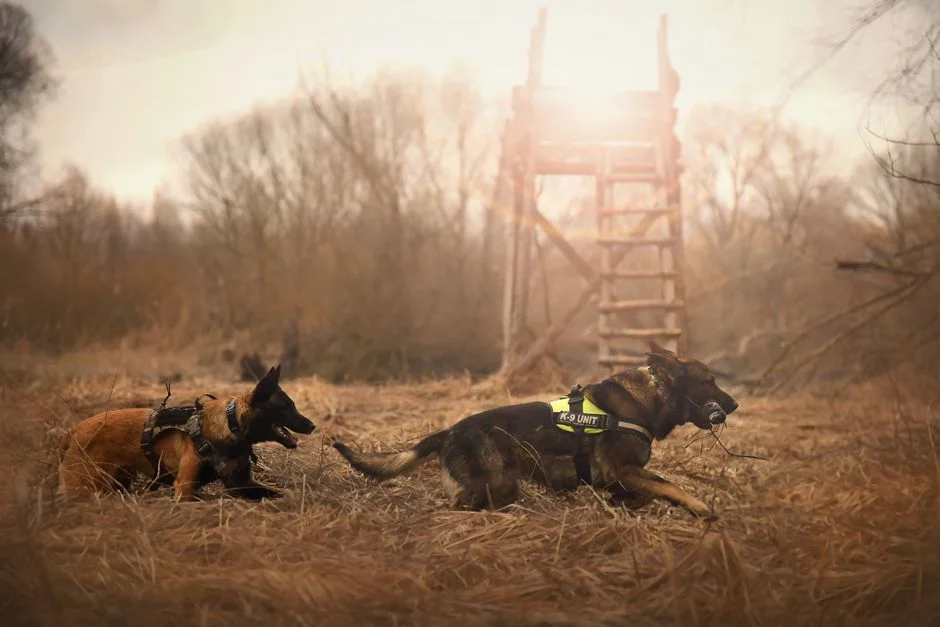
E-collars are one of the more misunderstood tools in working dog training. Not because the technology is complicated, but because the conversation around them tends to run toward extremes before anyone explains what the tool actually does. If you’re asking what an e-collar is for dogs, you’re in the right place to get a straight answer.
Used correctly, an e-collar is a remote communication device. It delivers a range of stimulation levels, vibration, or tone cues to a dog via a receiver mounted on a collar. For working dogs, bird dogs, and sport dogs, it extends the handler’s reach in ways a long line cannot.
What an E-Collar Actually Does
The basic mechanics are simple. A handheld transmitter sends a signal to a receiver worn on the dog’s neck. That receiver can deliver a brief static stimulation, a vibration, or an audible tone, depending on the system and how you’ve configured it. Modern units run anywhere from a barely-perceptible tingle at level 1 to a firm correction at higher levels. Most systems have 99 or 100 levels. The granularity matters. The difference between a level 4 and a level 8 on a sensitive dog is not trivial.
What an e-collar is not: a shock device in the cattle-prod sense that some people picture. When used at the working level, most dogs don’t yelp or flinch. They flick an ear. They adjust. The handler’s job is to find the working level, which is the lowest stimulation the dog reliably acknowledges, and stay close to it. Most professional trainers working bird dogs, protection sport, or field obedience never run past the mid-range of stimulation under normal conditions.
Tone and Vibration Modes
Before you ever touch the static stimulation function, the tone and vibration modes are worth understanding. Vibration can function as a recall cue or an attention signal. Tone functions well as a secondary marker during training, particularly in tracking or nose work where verbal markers can interrupt scent work. On my PRO 550, the Tone button sees more use than most handlers expect when they first read the manual. Build those cues into your training before you introduce stimulation.
Working Level vs. Correction Level
This is where e-collar training gets specific. Finding your dog’s working level takes time and observation. You’re looking for the lowest level that produces a visible response without distress. That’s your baseline. A correction, if you use one, might sit a few levels above that. The gap between them should be intentional, not guesswork. This is why collar systems with 99 or 100 stimulation levels are more useful for precision work than systems with 8 or 16 levels.
E-Collar Training: Where It Fits
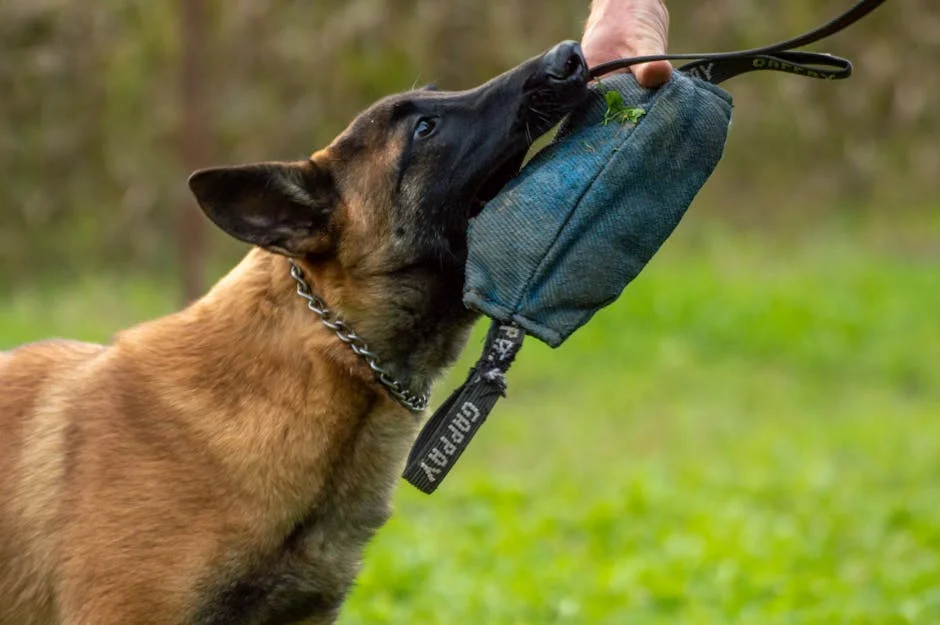
E-collars are not a substitute for foundational obedience. They extend and reinforce communication with dogs that already have a trained behavior vocabulary. A dog that doesn’t have a solid recall built on positive reinforcement doesn’t get clearer communication from an e-collar. It gets confusion delivered at a distance, which creates problems that are harder to unwind than the original training gap.
For the types of work I’m most familiar with, the e-collar earns its place in three specific contexts. First, distance obedience work where a long line is impractical. Second, reinforcing behaviors off-lead in environments with real distractions. Third, field dog work where the dog is covering ground and needs precise, timely feedback the handler can’t deliver any other way. For a broader look at how e-collars fit alongside other training tools, the Training Equipment hub covers the categories worth knowing.
Buying Guide: What to Look For
Choosing among e-collar systems is easier when you know which specifications actually affect daily use and which are marketing numbers. The following covers the factors that matter in a working context.
Range
Range specs are often the headline number on e-collar packaging. A 4,500-foot range sounds substantial, and it is, but most handlers running obedience or sport work never approach that distance in practice. Where range matters is in bird dog work, where a dog covering a full field can push 400 to 600 yards, and in certain off-lead tracking contexts. For urban obedience or sport training in a field, 1,000 feet of reliable signal is often more than enough. The better question to ask about range specs is whether they hold in real conditions, with terrain and tree cover, not on a flat field with a clear line of sight.
Stimulation Levels
As mentioned above, level granularity is a functional consideration, not a premium-tier nicety. A system with 99 or 100 levels gives you meaningful differences between each step. A system with 16 levels gives you coarser adjustments. For a large working breed or a dog with naturally high drive, coarser adjustments are sometimes fine. For a sensitive dog, a biddable breed, or any foundation work where you’re building conditioned responses to low stimulation, granularity matters. This is one of the areas where reading verified owner reports from handlers working similar dogs is worth the time. The training equipment category covers this in more detail for other collar and harness systems as well.
Waterproofing
Field work and waterproofing go together. Not splash-resistant. Waterproof. IPX7 is submersion-rated to one meter for thirty minutes. IPX8 is rated for deeper or longer submersion, depending on the manufacturer’s specification. For dogs that swim, cross creeks, or work in rain, IPX7 is the floor. Receivers are more likely to fail at the contact point seals than the housing itself. Owner reports about long-term seal integrity are more informative than the box rating alone.
Receiver Fit and Contact Points
A receiver that doesn’t maintain consistent contact with the skin delivers inconsistent stimulation, which undermines the entire training premise. Contact point length matters for dogs with heavy or dense coats. Most systems ship with standard-length contact points and sell longer ones as accessories. Fit and placement also affect whether the receiver stays positioned correctly during active work. Verified buyers of mid-range systems frequently note fit as a variable that affects real-world performance more than the spec sheet suggests.
Battery Management
Rechargeable systems have become standard at most price points. The practical concern is battery life per charge and how the system signals a low battery state. A collar that dies mid-session without warning is a training disruption. Owner reports on charge duration under real use conditions, not lab conditions, are the most useful data point here. Build a pre-session charge check into your routine regardless of what the spec sheet says about battery life.
Top Picks
The following three options represent the mid-range segment of the current e-collar market. Each covers the core functions, with differences in range, training modes, and multi-dog support that are worth weighing depending on your specific use case.
Bousnic Dog Shock Collar
The Bousnic Dog Shock Collar covers a weight range from 5 to 120 pounds with a single collar design, which makes it a reasonable option for handlers managing dogs of different sizes without buying separate units. The 3,300-foot remote range is more than sufficient for most sport and obedience training contexts, though field dog handlers working large open ground may want to consider the range ceiling.
The rechargeable battery is standard for this segment and reduces ongoing cost compared to disposable-battery systems. Verified buyers note straightforward controls and a reliable connection at working distances. The contact stimulation method draws the same scrutiny any e-collar receives in current training conversations, and handlers new to the tool should spend time on foundation conditioning before using stimulation in real training scenarios.
Battery management before each session is a practical consideration. Owner reports are generally consistent about the charging process being uncomplicated, but pre-session checks remain good practice.
Check current price on Amazon.
BLACKDOG Military Dog Shock Collar
The BLACKDOG Military Dog Shock Collar extends the range to 4,200 feet and adds dual-collar support, which makes it a practical choice for handlers working two dogs simultaneously. Multi-dog training is a real use case in hunting, field work, and some sport contexts, and having both receivers on one transmitter reduces the operational complexity considerably.
The four training modes (static stimulation, vibration, tone, and typically a light mode on systems in this category) give handlers flexibility to match cue type to training phase. Verified buyers note the multi-dog function works reliably at working distances. The wide weight range spec (5 to 150 pounds) covers most working breeds, though fit optimization for dogs at the extreme ends of that range benefits from careful contact point selection and collar adjustment.
Field reports from buyers working dual-dog setups generally indicate consistent signal and predictable receiver response. The brand positioning as a “military” product is marketing language rather than a certification, but build quality reports from verified buyers are generally consistent with the mid-range price band.
Check current price on Amazon.
Dog Shock Collar 4500FT
The Dog Shock Collar 4500FT leads this group on remote range and carries an IPX8 waterproof rating, which is the highest waterproofing tier in this category. For handlers working dogs in water-heavy environments, including retrievers, water-oriented hunting breeds, or any dog regularly crossing creeks and working in wet brush, the IPX8 spec is worth noting. Field work in November in Pennsylvania will test any collar’s seals, and verified buyers specifically mention performance in wet conditions as a reliable point.
Four training modes cover the standard range. The unknown-brand concern is a real one for long-term support and warranty claims. Verified buyers’ reports on build quality are the primary data source here, and the pattern is generally positive, though the absence of an established brand presence means long-term support is harder to predict. For handlers who buy, use, and replace e-collars on a season-to-season basis, that tradeoff is more acceptable than for those who expect multi-season service life.
Check current price on Amazon.
Closing Notes
E-collars are specific tools that produce specific results when used with a working understanding of operant conditioning and a dog that has the behavioral foundation to interpret the communication. They are not shortcuts, and the handlers who get the most from them tend to use stimulation sparingly and rely on tone and vibration for a significant portion of their daily work. If you’re building out a training toolkit and want to understand where e-collars fit alongside long lines, prongs, and flat collars, the full Training Equipment section covers those categories in more detail.
The three options covered above represent serviceable choices at the mid-range price point. The differences that matter most are range requirements for your specific training environment, whether you’re working one dog or two, and how much water exposure your dog’s receiver will see.
Frequently Asked Questions
What is the difference between vibration mode and static stimulation on an e-collar?
Vibration mode delivers a mechanical buzz to the dog’s neck without any electrical stimulation. It functions well as an attention cue or a recall signal and carries no controversy in modern training discussions. Static stimulation delivers a brief electrical pulse, the intensity of which is controlled by the level setting on the transmitter. Most handlers working obedience or sport dogs use both modes, with vibration handling attention work and static stimulation reserved for reinforcement of trained behaviors at distance.
At what age can you start using an e-collar on a dog?
Most experienced trainers recommend waiting until the dog has solid foundational obedience built on positive reinforcement, which typically means not before six months of age and, for working and sport breeds, often closer to twelve to eighteen months. The dog needs an existing behavior vocabulary for the e-collar to reinforce. Starting too early or before foundation behaviors are reliable creates confusion rather than clarity. Breed, drive level, and individual temperament all factor into timing, and consulting a trainer with hands-on experience in your breed category is worth doing before you start.
Do e-collars work at the ranges listed on the packaging?
Range specs are typically measured in ideal conditions, meaning open, flat terrain without interference. Real-world performance varies with tree cover, terrain, buildings, and other signal sources. For most sport and obedience training contexts, the effective working range is a fraction of the stated maximum. Verified buyer reports from handlers working similar environments are a more reliable guide than the box spec.
How do you find the right stimulation level for your dog?
You start low, below where you expect a response, and step up one level at a time until you see the lowest visible acknowledgment from the dog, typically an ear flick, a head turn, or a slight pause. That’s the working level. The goal is consistent, calm acknowledgment without any sign of distress. This calibration process should happen in a low-distraction environment before introducing the collar in active training.
Can one e-collar be used on dogs of significantly different sizes?
Most mid-range systems specify a weight range, sometimes as broad as 5 to 150 pounds, but weight range is a rough proxy for what actually matters, which is neck circumference, coat density, and contact point fit. A collar calibrated for a 90-pound working shepherd won’t deliver consistent stimulation on a 15-pound dog because the contact points won’t seat the same way. For handlers managing dogs of very different sizes, the better practice is verifying fit and contact point length for each dog individually, or using separate collar units sized appropriately, rather than relying on the stated weight range as a guarantee of compatibility.
<script type="application/ld+json">
{
 "@context": "https://schema.org",
 "@type": "FAQPage",
 "mainEntity": [
 {
 "@type": "Question",
 "name": "What is the difference between vibration mode and static stimulation on an e-collar?",
 "acceptedAnswer": {
 "@type": "Answer",
 "text": "Vibration mode delivers a mechanical buzz to the dog's neck without any electrical stimulation. It functions well as an attention cue or a recall signal and carries no controversy in modern training discussions. Static stimulation delivers a brief electrical pulse, the intensity of which is controlled by the level setting on the transmitter. Most handlers working obedience or sport dogs use both modes, with vibration handling attention work and static stimulation reserved for reinforcement of trained behaviors at distance."
 }
 },
 {
 "@type": "Question",
 "name": "At what age can you start using an e-collar on a dog?",
 "acceptedAnswer": {
 "@type": "Answer",
 "text": "Most experienced trainers recommend waiting until the dog has solid foundational obedience built on positive reinforcement, which typically means not before six months of age and, for working and sport breeds, often closer to twelve to eighteen months. The dog needs an existing behavior vocabulary for the e-collar to reinforce. Starting too early or before foundation behaviors are reliable creates confusion rather than clarity. Breed, drive level, and individual temperament all factor into timing, and consulting a trainer with hands-on experience in your breed category is worth doing before you start."
 }
 },
 {
 "@type": "Question",
 "name": "Do e-collars work at the ranges listed on the packaging?",
 "acceptedAnswer": {
 "@type": "Answer",
 "text": "Range specs are typically measured in ideal conditions, meaning open, flat terrain without interference. Real-world performance varies with tree cover, terrain, buildings, and other signal sources. For most sport and obedience training contexts, the effective working range is a fraction of the stated maximum. Verified buyer reports from handlers working similar environments are a more reliable guide than the box spec. Handlers working large open fields or running bird dogs in cover should factor in signal degradation and consider systems with higher stated ranges to ensure reliable connection at actual working distances."
 }
 },
 {
 "@type": "Question",
 "name": "How do you find the right stimulation level for your dog?",
 "acceptedAnswer": {
 "@type": "Answer",
 "text": "You start low, below where you expect a response, and step up one level at a time until you see the lowest visible acknowledgment from the dog, typically an ear flick, a head turn, or a slight pause. That's the working level. The goal is consistent, calm acknowledgment without any sign of distress. This calibration process should happen in a low-distraction environment before introducing the collar in active training. Distraction level and the dog's arousal state both affect sensitivity, so the working level in a quiet yard may differ from the working level at a field trial."
 }
 },
 {
 "@type": "Question",
 "name": "Can one e-collar be used on dogs of significantly different sizes?",
 "acceptedAnswer": {
 "@type": "Answer",
 "text": "Most mid-range systems specify a weight range, sometimes as broad as 5 to 150 pounds, but weight range is a rough proxy for what actually matters, which is neck circumference, coat density, and contact point fit. A collar calibrated for a 90-pound working shepherd won't deliver consistent stimulation on a 15-pound dog because the contact points won't seat the same way. For handlers managing dogs of very different sizes, the better practice is verifying fit and contact point length for each dog individually, or using separate collar units sized appropriately, rather than relying on the stated weight range as a guarantee of compatibility."
 }
 }
 ]
}
</script>Where to Buy
Bousnic Dog Shock Collar - 3300Ft Dog Training Collar with Remote for 5-120lbs Small Medium Large Dogs RechargeableSee Bousnic Dog Shock Collar - 3300Ft Dog… on Amazon